Mobile Diagnosis of Infectious Diseases: Real-Time Connectivity and Epidemiological Control
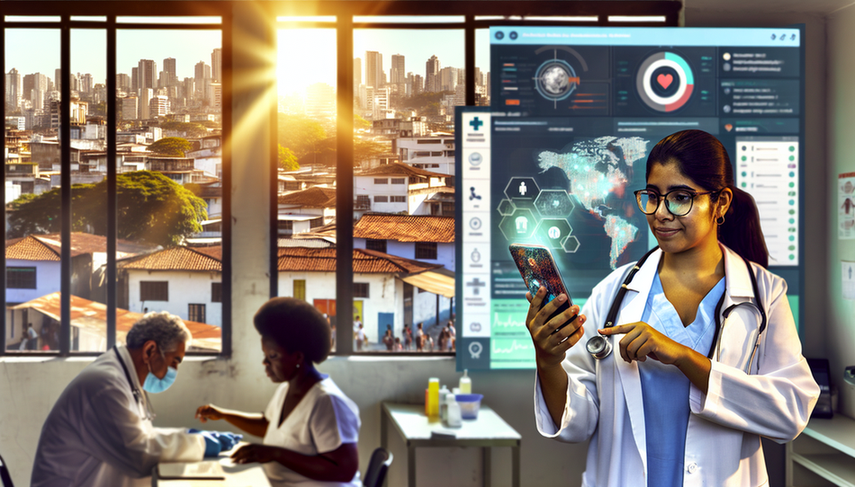
In the digital age, mobile diagnosis has emerged as a crucial tool in the fight against infectious diseases. The ability to perform accurate and rapid diagnoses through mobile devices not only enhances patient care but also strengthens epidemiological control in real-time. This technological advancement enables unprecedented connectivity among healthcare professionals, facilitating surveillance and response to infectious outbreaks.
Diving Deeper into Mobile Diagnosis and Its Impact
The use of mobile applications and connected devices has transformed the way infectious disease surveillance is conducted. A notable example is the use of smart thermometers that, when connected to mobile applications, allow for real-time monitoring of diseases such as influenza. These devices not only improve diagnostic accuracy but also enable the prediction of disease activity weeks in advance.
Furthermore, the implementation of infectious disease surveillance systems through mobile applications has proven effective in the early detection of outbreaks. These systems facilitate the capture and analysis of data in real-time, aiding in public health planning and decision-making.
Mobile technology has also been utilized to enhance diagnostic quality in resource-limited areas. For instance, in malaria diagnosis, the use of mobile devices for interpreting rapid tests has significantly improved accuracy and oversight of community health workers.
Conclusions
Mobile diagnosis represents a significant advancement in the management of infectious diseases. The connectivity offered by these devices allows for more efficient and real-time epidemiological control, which is crucial for the prevention and management of outbreaks. As technology continues to advance, it is essential for healthcare professionals to stay updated on these tools to maximize their potential in clinical practice and public health.
References
- [1] A Smartphone-Driven Thermometer Application for Real-time Population- and Individual-Level Influenza Surveillance
- [2] A Mobile App and Dashboard for Early Detection of Infectious Disease Outbreaks: Development Study
- [3] A mobile health technology platform for quality assurance and quality improvement of malaria diagnosis by community health workers
Created 24/1/2025